
How to Stop Your Windscreen Fogging Up
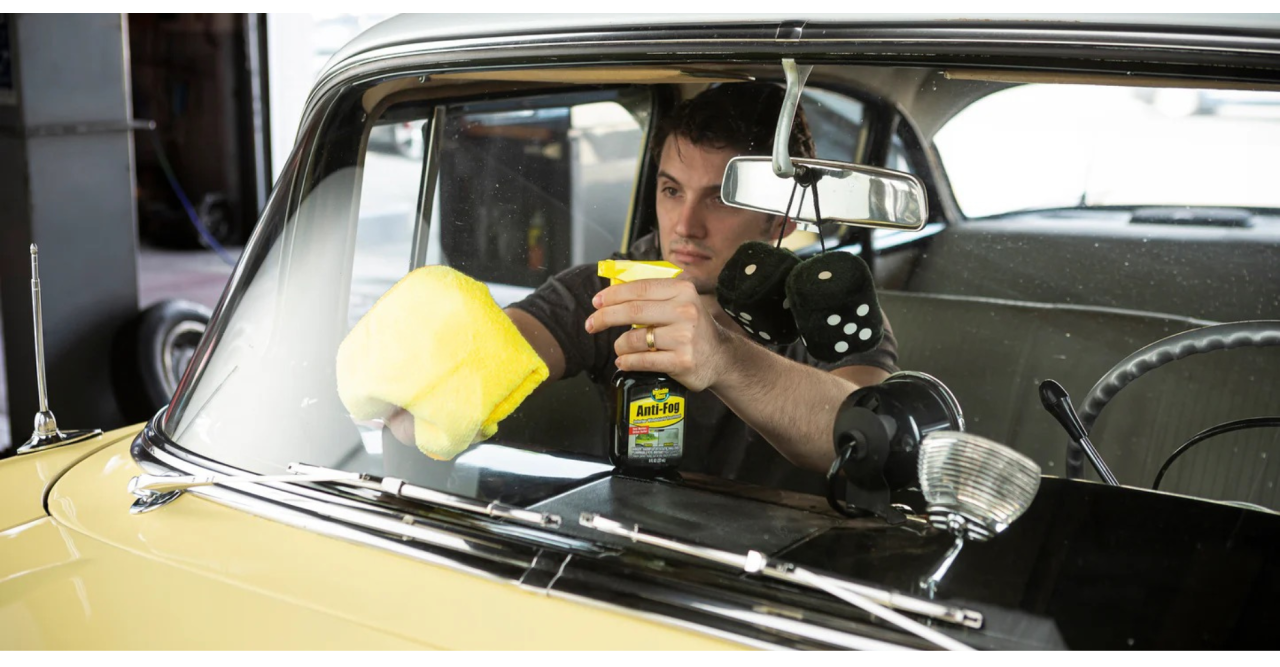
A fogged windscreen is frustrating — and dangerous. This guide explains why it happens, why the demister alone isn't enough, and how treating the glass with Invisible Glass Anti-Fog stops the problem before it starts.
A fogged windscreen is one of the most frustrating things about driving in the UK — and one of the most dangerous. Whether it's a cold morning when the screen mists up before you've left the drive, or a humid evening when the inside fogs as soon as you get in, poor visibility is poor visibility. Here's why it happens and how to stop it.
Why Windscreens Fog Up
Fog forms when warm, moist air meets a cold glass surface. The moisture in the air condenses on the glass, creating fine droplets that scatter light and blur your view. In cold weather, the windscreen is colder than the air inside the car — so moisture from breath, damp clothes, and wet floor mats condenses on the inside of the glass. In milder, humid conditions the opposite can happen: warm, damp outside air condenses on glass cooled by air conditioning.
Most drivers rely entirely on the demister and never treat the glass — leaving them reacting to fog every time rather than preventing it.
The Problem With Just Using the Demister
Your demister heats the glass above the dew point — the temperature at which moisture condenses. It works, but it takes time, uses fuel, and does nothing about the root cause. The moment you turn the engine off, the glass cools again and the cycle starts over. A treated glass surface changes this entirely.
The Solution: Treat the Glass
|
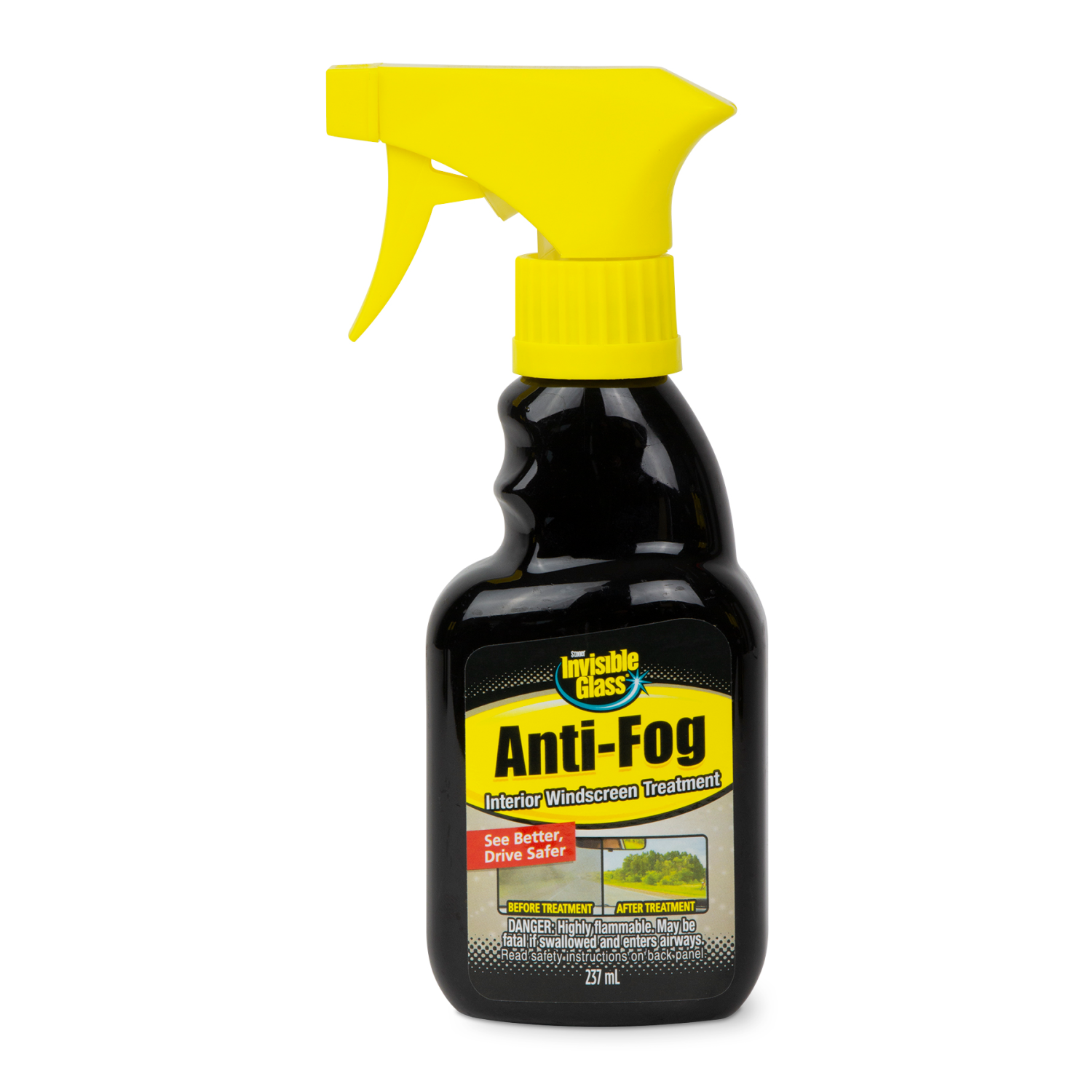
Invisible Glass Anti-Fog Windscreen Treatment Applied to the interior windscreen, this changes the surface energy of the glass so moisture spreads into an ultra-thin transparent film rather than forming the droplets that scatter light and blur your view. The result: a windscreen that simply doesn't fog. View product → |
How to Apply It
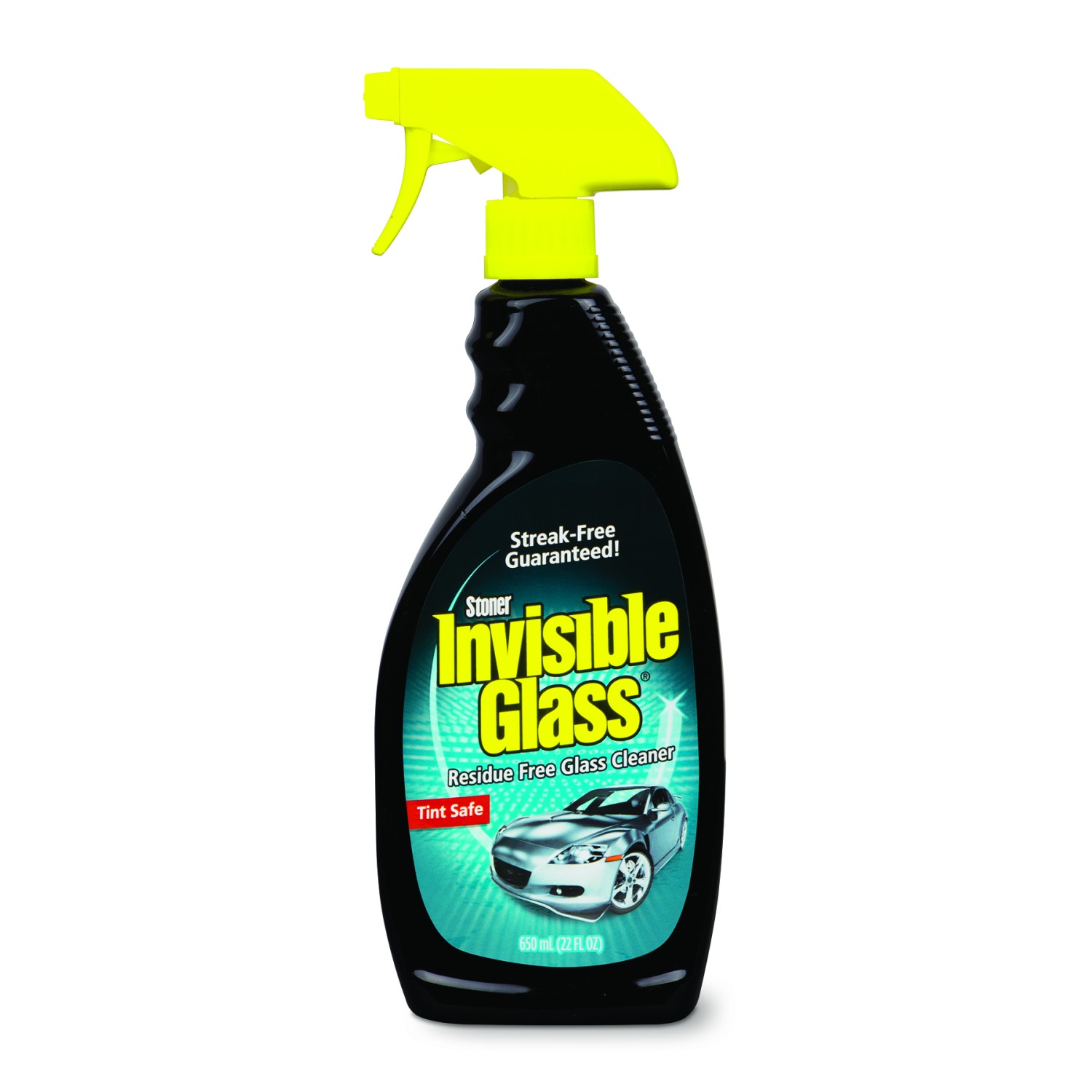
- Start with a clean interior windscreen — wipe thoroughly with Invisible Glass Auto Glass Cleaner on a microfibre cloth first.
- Spray a small amount of Anti-Fog onto a clean, dry microfibre cloth — not directly onto the glass.
- Apply using smooth, overlapping strokes across the whole interior windscreen including the corners.
- Buff to full clarity with a clean, dry cloth. The glass should look completely clear.
- Reapply every few weeks, or after any deep interior glass cleaning.
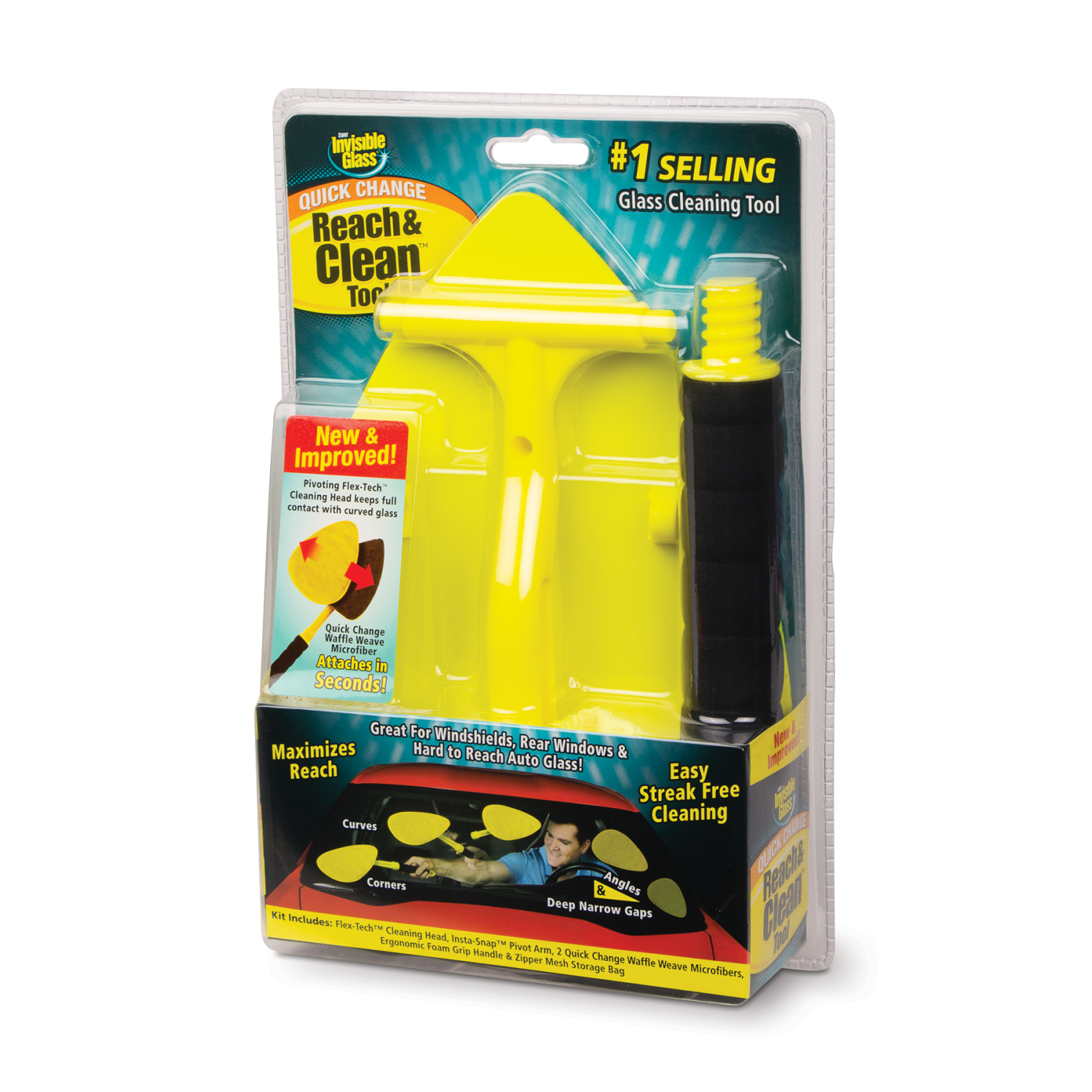
For the corners and lower section of the windscreen where your hand can't easily reach, the Reach & Clean tool makes this step much easier:
|
Invisible Glass Reach & Clean Quick Change Auto Tool The pivoting head reaches every part of the interior windscreen without straining across the dashboard — essential for getting into the corners and the lower section where fog tends to linger longest. View product → |
Supporting Habits That Make a Difference
- Dry out the cabin. Wet floor mats, damp coats, and muddy boots all release moisture into the air.
- Use fresh air mode rather than recirculated air. Fresh air brings in drier outside air and helps balance humidity inside the car.
- Don't leave your car fully sealed on cold nights. A slightly cracked window allows moisture to escape — the single most effective way to reduce early morning fogging.
- Clean the glass regularly. Dusty, dirty glass fogs more readily because particles give water vapour more surface area to cling to.
What About the Exterior?
|
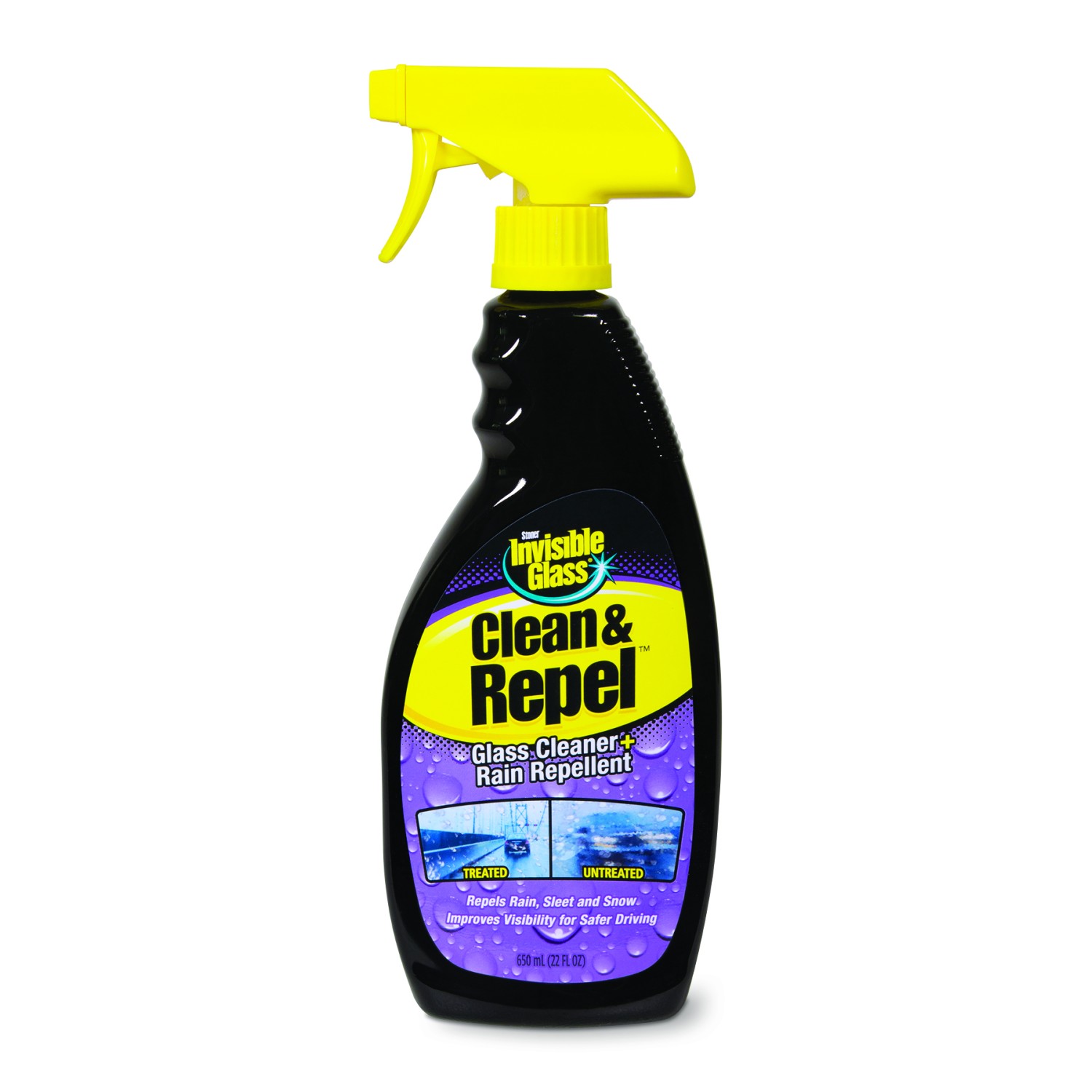
Invisible Glass Clean & Repel — Spray Cleans and leaves a hydrophobic layer on exterior glass in a single step. Significantly reduces moisture settling on the screen and makes whatever does settle much easier to clear. View product → |
|
Invisible Glass Auto Glass Cleaner — Spray Clean the interior glass with this first before applying Anti-Fog. Residue-free formula that evaporates completely. View product → |
All products in this article are available through JRP Distribution — the authorised UK trade distributor for Stoner Car Care and Invisible Glass.
Tel: 01903 750355 • sales@jrpdistribution.co.uk • jrpdistribution.co.uk