
How to Remove Tar, Salt, and Winter Grime From Your Car
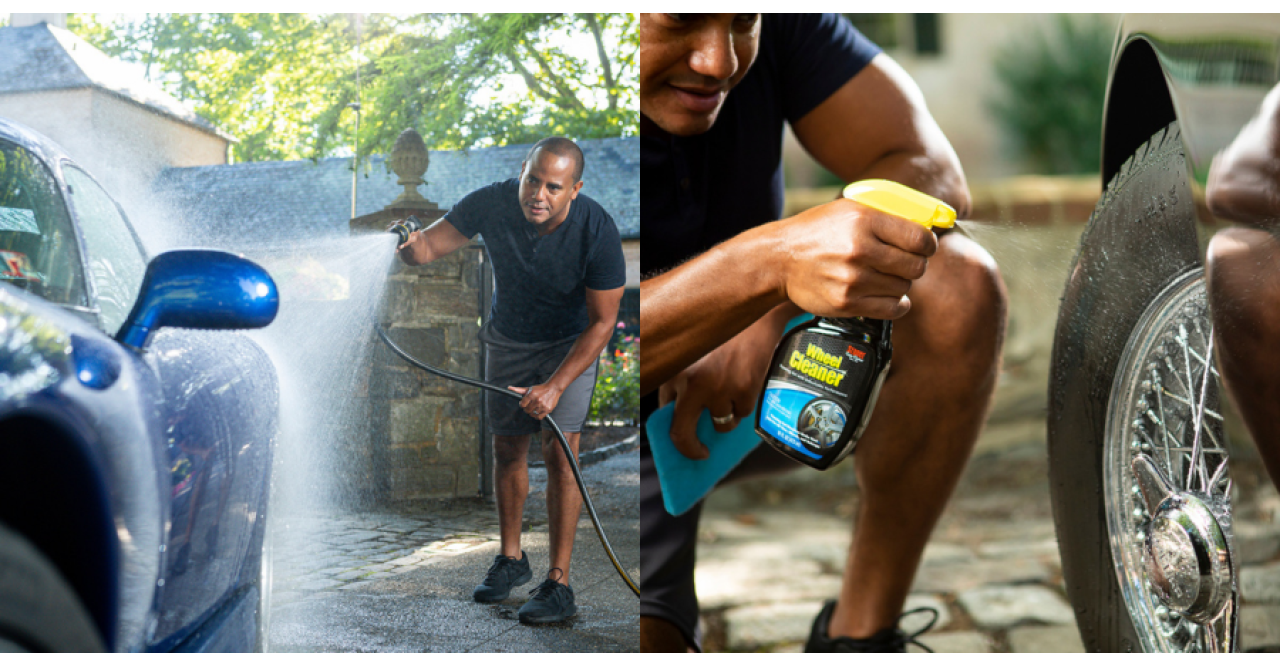
A regular car wash won't shift what winter leaves behind. This guide covers how to properly decontaminate your paintwork, wheels, and glass — removing tar, iron fallout, and road salt ready for spring.
By the time April arrives, most UK cars have taken a battering. Months of salted roads, rain, mud, and cold-weather driving leave behind a layer of contamination that a regular car wash simply won't shift. If your paintwork looks dull, feels rough to the touch, or has dark spots along the lower panels and sills, this guide is for you.
What's Actually on Your Car After Winter
Road salt leaves a white residue on lower panels, sills, and wheel arches that becomes increasingly corrosive the longer it's left. Tar builds up as small black dots — sticky, stubborn, and resistant to soap and water. Iron fallout from brake dust and industrial particles is largely invisible until treated, but actively eating into your paint finish. And whatever protective coating your car had going into winter has been significantly depleted.
Step 1: A Proper Wash
|
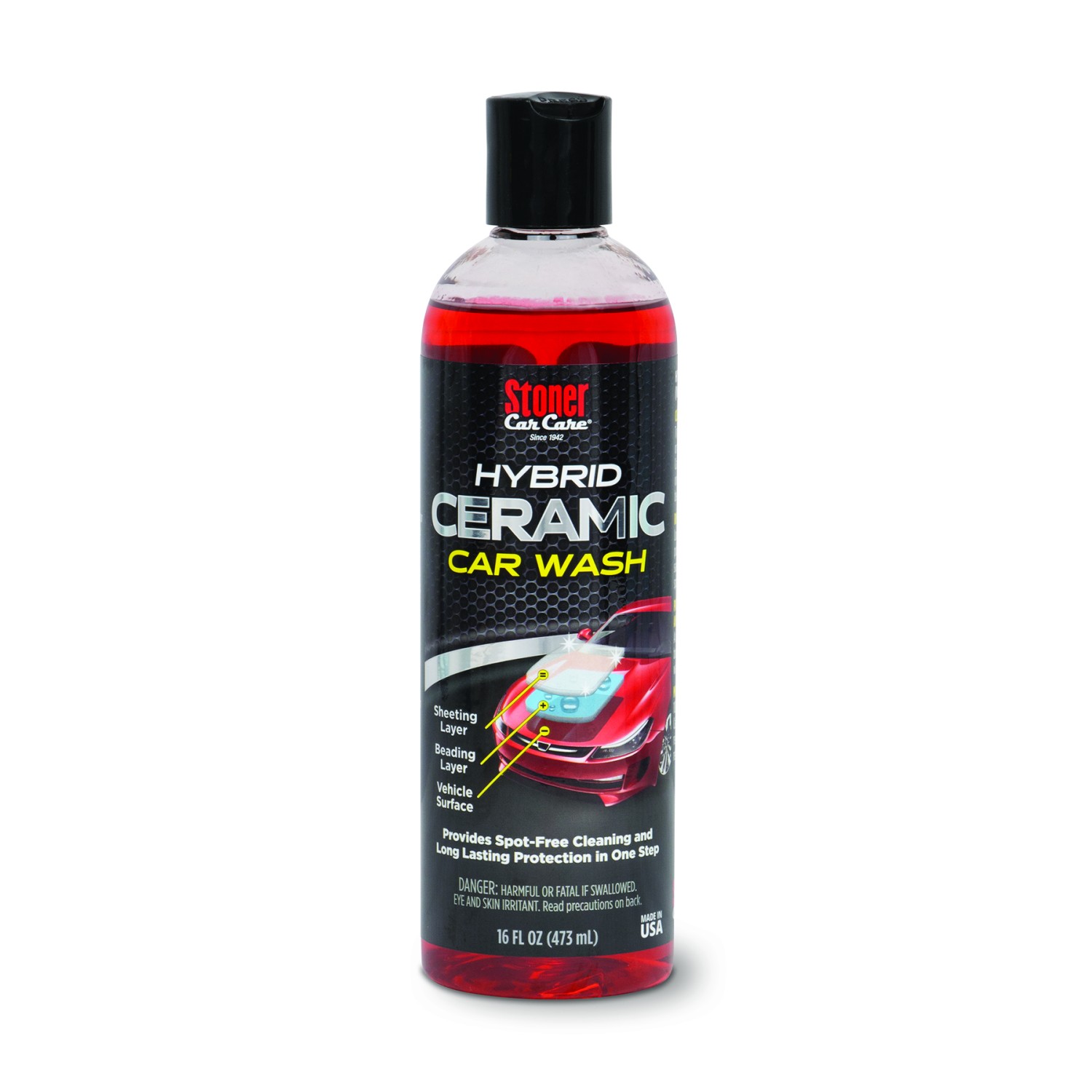
A dual-action car wash that cleans thoroughly and lays down a sacrificial protective ceramic layer in a single step. SiO2 bonds to the clearcoat, providing water beading and gloss for months. Wash with a clean mitt, rinse thoroughly, dry fully. View product → |
Step 2: Remove the Tar
After washing, run a clean hand across the lower panels and sills. If you feel a rough texture or see small dark specks that didn't come off in the wash, that's tar that needs chemical removal.
|
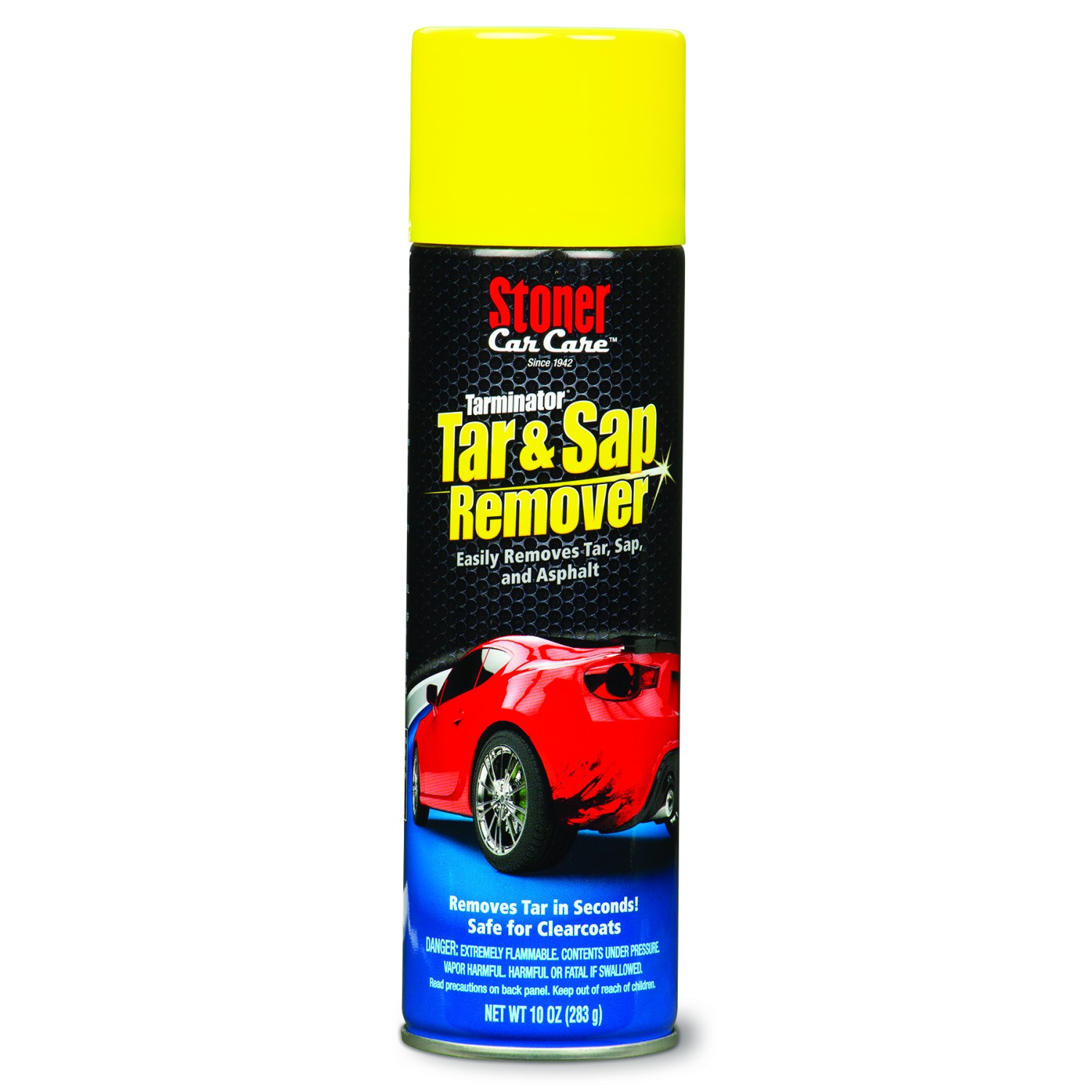
Stoner Tarminator Tar & Sap Remover Breaks down tar, sap, and asphalt quickly and safely. Spray on, leave for 30–60 seconds to dwell, then wipe away with a clean microfibre cloth. Clear-coat safe. View product → |
Step 3: Remove Iron Fallout
Iron contamination is invisible until you treat it — then it turns a vivid orange as the product reacts with ferrous particles. That colour change tells you exactly where contamination is heaviest and when it's been fully neutralised.

|
Sprays on blue, turns orange on contact with brake dust, rail dust, and industrial fallout. Spray generously, leave for 2–3 minutes, then rinse thoroughly. View product → |
| Tip: This step is especially important before applying any protective coating — iron particles left in the paint prevent proper bonding. |
Step 4: Clean the Wheels
|
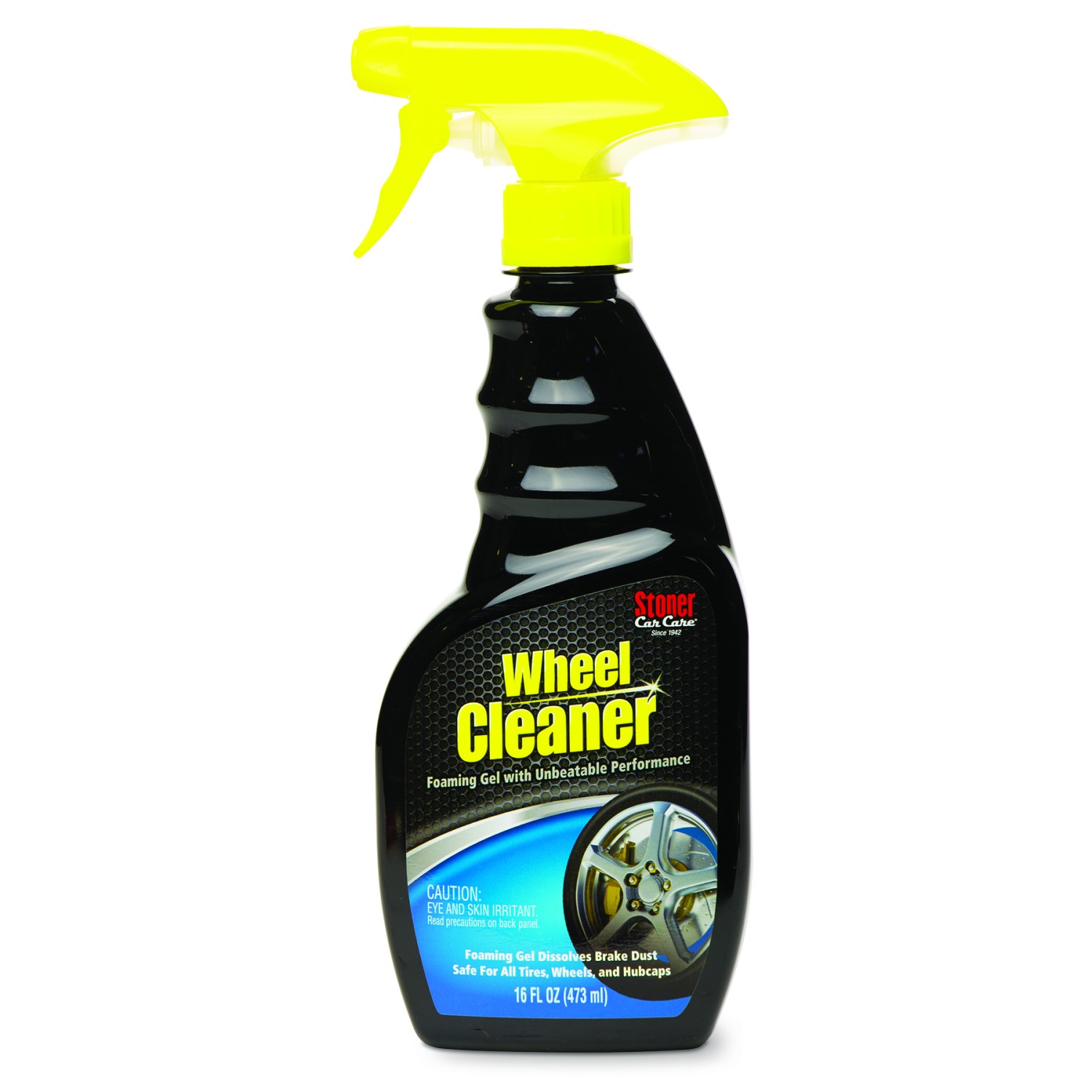
Foaming gel that dissolves brake dust, road grime, tar, oxidation, and grease from all wheel types. Spray on, agitate with a wheel brush, hose off. Acid-free and safe for all alloy finishes. View product → |
Step 5: Protect the Paintwork
|
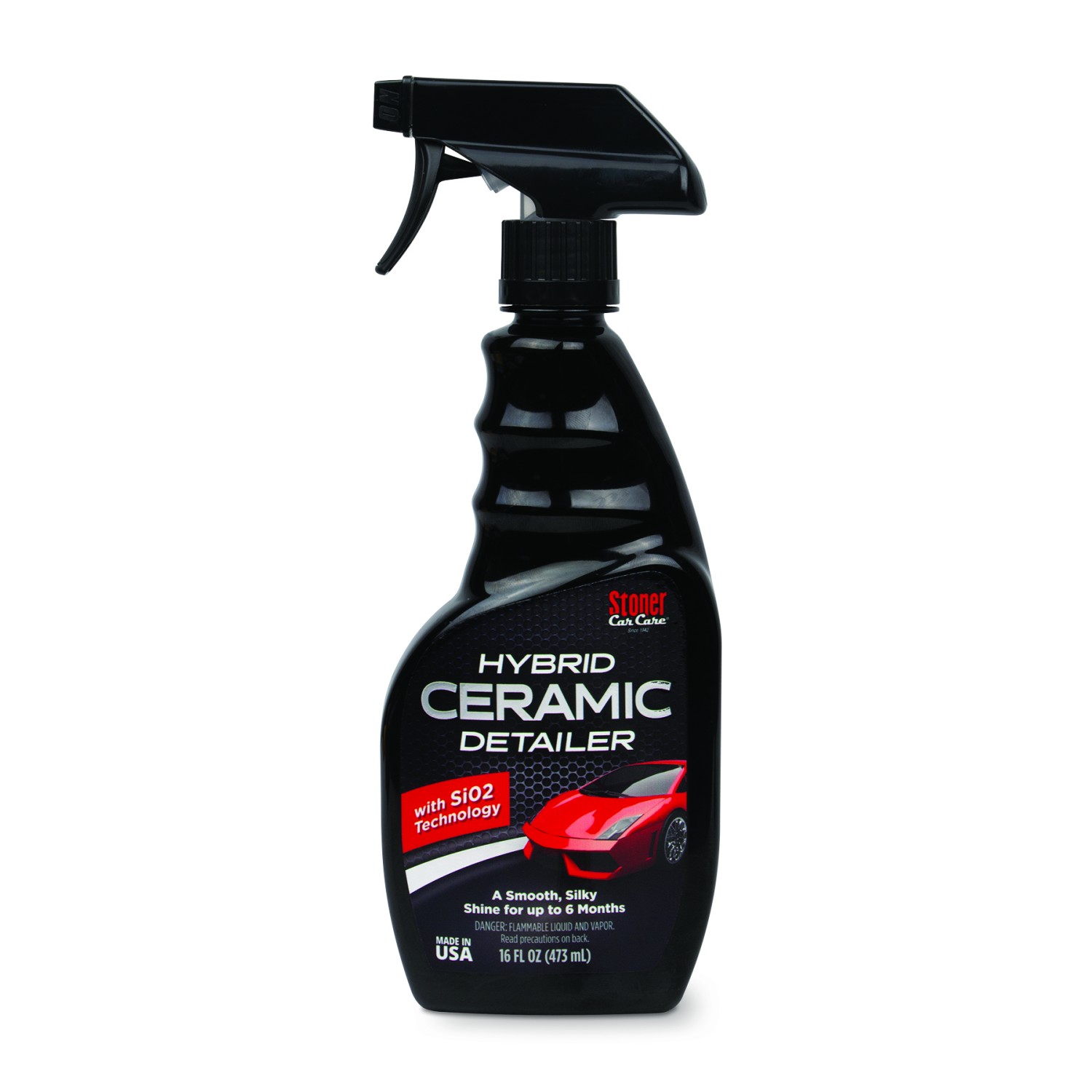
Stoner Hybrid Ceramic Detailer Up to six months of ceramic SiO2 protection from a single application. Spray onto the paintwork, spread with a microfibre cloth, buff off. The whole car done in around 20 minutes. View product → |
|
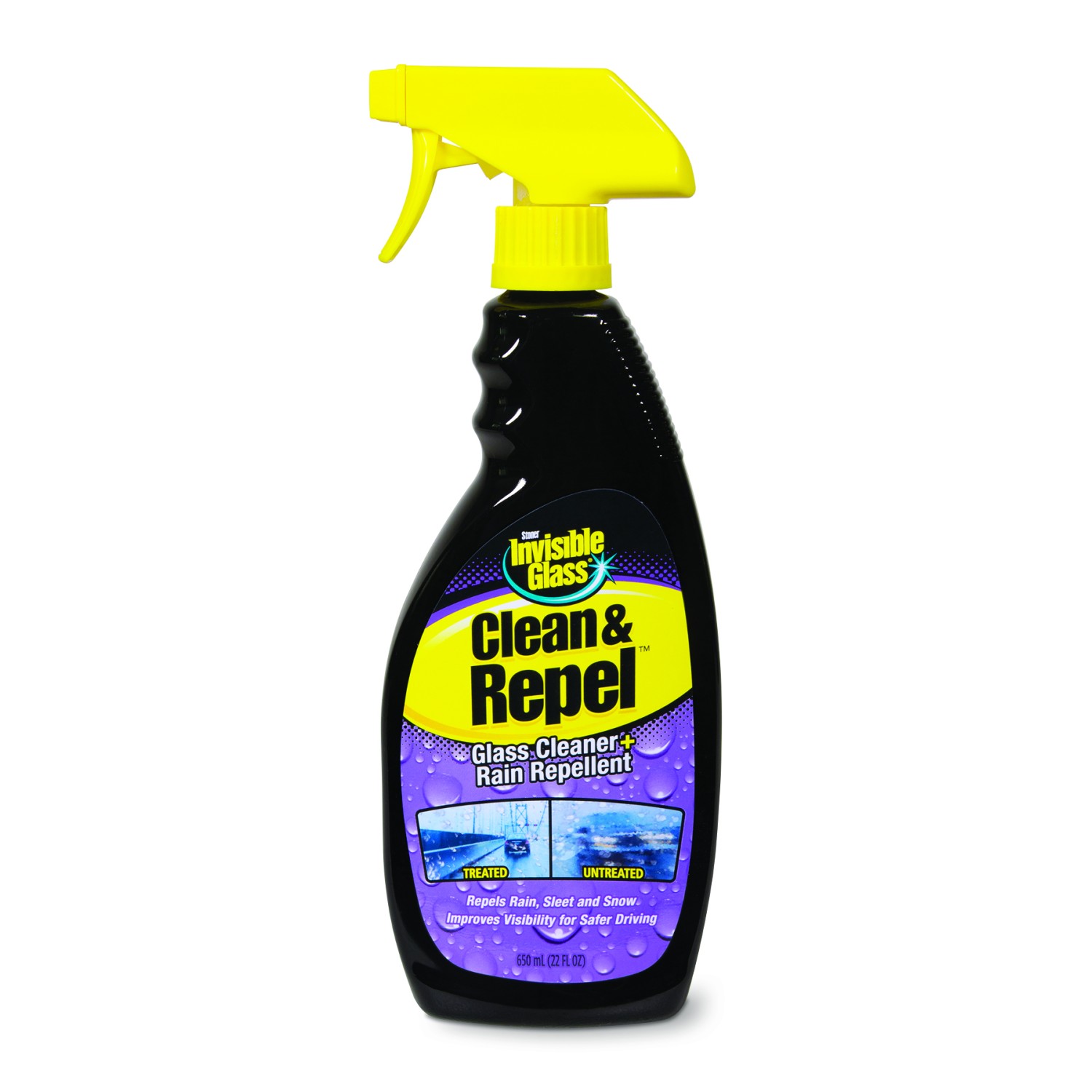
Invisible Glass Clean & Repel — Spray Apply to all exterior glass at the same time — cleans and coats in a single step, leaving a hydrophobic barrier that sheds rain and resists road film. View product → |
The Difference It Makes
Properly decontaminating your car after winter doesn't just make it look better — it stops the ongoing damage that salt and iron fallout cause to paint and metal surfaces. A full decontamination in spring, followed by a ceramic coating, is the single most effective thing you can do to protect your car's finish for the year ahead.
All products in this article are available through JRP Distribution — the authorised UK trade distributor for Stoner Car Care and Invisible Glass.
Tel: 01903 750355 • sales@jrpdistribution.co.uk • jrpdistribution.co.uk